Are Electronic Locks Safer than Traditional Keys?
2025-12-12
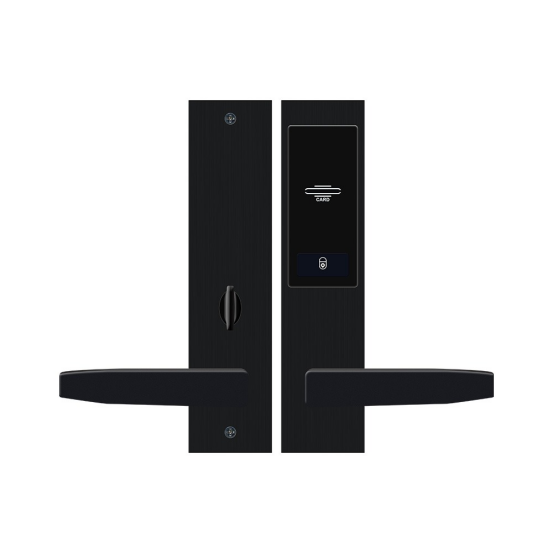
The Hidden Security Risks of Traditional Keys
Traditional keys have been the standard for centuries, but they come with several security vulnerabilities that make them less reliable than modern electronic hotel locks. The most significant issue is the risk of key duplication. If a guest or staff member loses a traditional key, there is always the possibility that it could be copied, and in many cases, this process can be done without the hotel’s knowledge. Lost or stolen keys are difficult to trace, which opens the door to potential unauthorized access.
Additionally, traditional keys are physical objects, meaning they can be misplaced or stolen. If a key falls into the wrong hands, there's no way to remotely deactivate it, and the only solution is to rekey the lock—a time-consuming and expensive process for hotel operators. This not only leads to security concerns but also involves high operational costs.
How Electronic Hotel Locks Eliminate the Risks of Traditional Keys
Electronic hotel locks offer a host of advanced security features that significantly reduce these risks. Electronic locks use encrypted keycards and RFID technology, providing much more control over room access. When a guest’s keycard is lost or stolen, the hotel’s management system can immediately deactivate the keycard, preventing any unauthorized access. This capability simply doesn’t exist with traditional mechanical keys, where lost or stolen keys can continue to provide entry until the lock is manually changed.
Moreover, electronic locks are equipped with sophisticated access control features. They use encryption and advanced algorithms that are nearly impossible to bypass, making them far more secure than physical keys. This means that unauthorized individuals cannot simply make copies of the key or pick a lock, which is a common problem with traditional keys.
Convenience and Control for Hotel Operators
In terms of security management, electronic locks offer more flexibility and control than traditional keys. For example, hotels can program access permissions for specific individuals or areas, allowing staff and guests to access only authorized rooms or facilities. If needed, hotel management can easily update access permissions, adding or removing access without changing any physical locks.
For high-security areas, such as executive suites or VIP rooms, electronic hotel locks can provide added layers of security, restricting access to only authorized personnel or guests. This level of control is much more difficult to achieve with traditional keys, where managing access typically requires distributing different sets of keys or re-keying locks when access needs to be changed.
The Security Advantage of Trudian's Electronic Hotel Locks
While traditional keys have been the standard for many years, they come with inherent security vulnerabilities that make them less reliable than electronic locks. Trudian’s hotel door lock system, with its encrypted keycards and RFID technology, provides superior security by offering real-time monitoring, the ability to deactivate lost or stolen keycards, and more control over guest access. By switching to electronic locks, hotels can mitigate the risks associated with traditional keys and ensure a safer, more efficient environment for both guests and hotel staff. Ultimately, electronic locks offer a higher level of security, greater flexibility, and a more seamless experience for hotel operators and guests alike.